


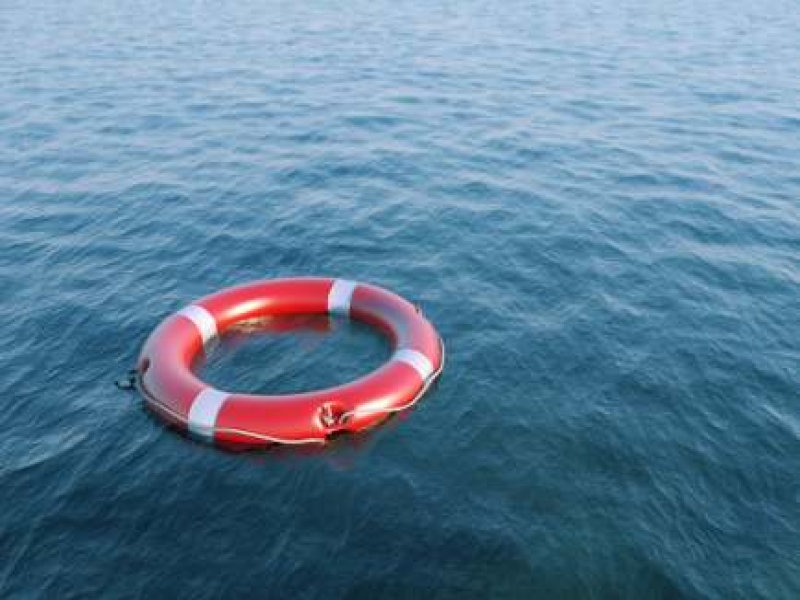
Safety equipment at sea: everything you need to know
Learning to sail at sea safely
Sailing at sea is an incomparable pleasure, but it also comes with responsibilities. Whatever your vessel — sailing boat, motor boat, jet ski or leisure craft — safety should never be left to chance.
In France, Division 240 precisely governs the mandatory safety equipment for pleasure craft under 24 metres, based on the distance you travel from a safe haven.
This guide aims to help you understand which equipment is required, why it is essential, and how to adapt your safety gear to your sailing programme.
Understanding the basics of maritime safety
What is a safe haven in maritime terms?
A safe haven is a place along the coast where a boat and its crew can take shelter, by anchoring, mooring or coming ashore, and leave again without outside assistance.
The role of the skipper
The skipper is responsible for:
- handling the vessel,
- the safety of all persons on board,
- compliance with regulations,
- and, where applicable, maintaining the ship's log.
PFD: Personal Flotation Device
A PFD (lifejacket or buoyancy aid) keeps a person afloat in the event of falling overboard, keeps the airways clear of the water, and, depending on the model, ensures that an unconscious person is turned face up.
Understanding navigation zones: a key criterion
The list of mandatory equipment varies according to the distance you navigate from a safe haven:
| Navigation zone | Maximum distance |
| Basic | Up to 2 nautical miles |
| Coastal | From 2 to 6 nautical miles |
| Semi-offshore | From 6 to 60 nautical miles |
| Offshore | Beyond 60 nautical miles |
Mandatory equipment for navigation
Basic navigation (up to 2 nautical miles)
Even close to shore, a minimum amount of equipment is essential to deal with the unexpected:
- Personal flotation device suited to each person on board
- Individual light device (flash lamp or cyalume, autonomy ≥ 6 h)
- Manual bailing device (bailer, bucket or pump)
- Mobile fire-fighting means (fire extinguishers, fire blanket to EN 1869 standard)
- Towing device (cleat + suitable line)
- Anchoring line (mandatory if light displacement > 250 kg)
- Means of obtaining tide times and coefficients (except Mediterranean)
- National ensign outside territorial waters
 Safety tip: before every departure, show your passengers where the lifejackets, first aid kit and fire extinguishers are located.
Coastal navigation (2 to 6 nautical miles): enhanced safety requirements
In addition to the basic equipment, you must have on board:
- 3 hand-held red flares (check the expiry date)
- Man-overboard detection device
- Watertight magnetic compass or watertight GPS acting as a compass
- Nautical charts (paper or electronic)
- COLREGS (International Regulations for Preventing Collisions at Sea)
- Buoyage documentation
Semi-offshore navigation (6 to 60 nautical miles)
As the distance from shore increases, self-sufficiency and the ability to manage an emergency situation become essential:
- Magnetic compass mandatory
- Harness and tether (per person on a sailing boat, or per vessel)
- 3 parachute rocket flares + 2 smoke signals
or fixed DSC VHF radio coupled with GPS - Night search light device
- Life raft(s) suitable for the crew
- Weather equipment (reception of marine weather bulletins)
- Regulation first aid kit
- Fixed VHF radio (range up to 50 nautical miles)
- List of lights
- Ship's log
Offshore navigation (beyond 60 nautical miles)
For the most demanding passages, safety relies on long-range distress equipment:
- Emergency position-indicating radio beacon (EPIRB 406 MHz), with or without AIS
- Waterproof handheld VHF radio, compliant with regulations
The first aid kit: a vital piece of equipment
Mandatory for semi-offshore and offshore navigation, the first aid kit must be suited to the crew. It can — and should — be supplemented according to the age, health condition and duration of the voyage.
Minimum regulatory contents (article 240-2.16):
- Self-adhesive bandages
- Sterile gauze pads
- Waterproof dressings
- Haemostatic pad
- Adhesive tape
- Non-sterile gloves
- Hydroalcoholic gel
- Survival blanket
- Antiseptic solution (chlorhexidine)
Special cases: leisure craft and equipment
Regulations for boats towing water sports equipment
- Navigation between 300 m and 2 nautical miles from a safe haven
- Visible orange flag
- Floating rope and quick-release system
- Minimum two people on board the towing vessel
- Minimum 50 N lifejacket for the participant
Regulations for personal watercraft (jet ski)
- Up to 2 nautical miles: basic equipment + kill switch
- Up to 6 nautical miles (if certified ≥ 2 seats): coastal navigation rules apply
- Licence mandatory
Regulations for kayaks, paddleboards and canoes
- Permitted up to 2 nautical miles from a safe haven (daytime only)
- Craft ≥ 3.50 m, type-approved
- 50 N lifejacket
- Light device
- Device to re-board the craft
- Circulation permit (fishing)
Ready to set sail with all the right equipment?
Regulations set a minimum framework, but good seamanship remains your best ally. Anticipating, equipping yourself properly and briefing your crew will help prevent the vast majority of accidents.
Share this content